
In eligible Florida eminent domain cases, “business damages” can be a major part of the recovery—especially for income-producing, operational properties like hotels. But these claims are procedural. If deadlines are missed, the court can strike the claim unless a legally recognized good-faith justification applies.

If you are dealing with an eminent domain taking in Florida, it is wise to assume one thing up front: the government’s job is to acquire what it needs for the project while controlling its budget. That does not make every statement “dishonest,” but it does mean you should be cautious about accepting the first “value” number you hear—especially if you have not had experienced eminent domain counsel evaluate what is actually being taken and what it will do to the rest of your property or business.
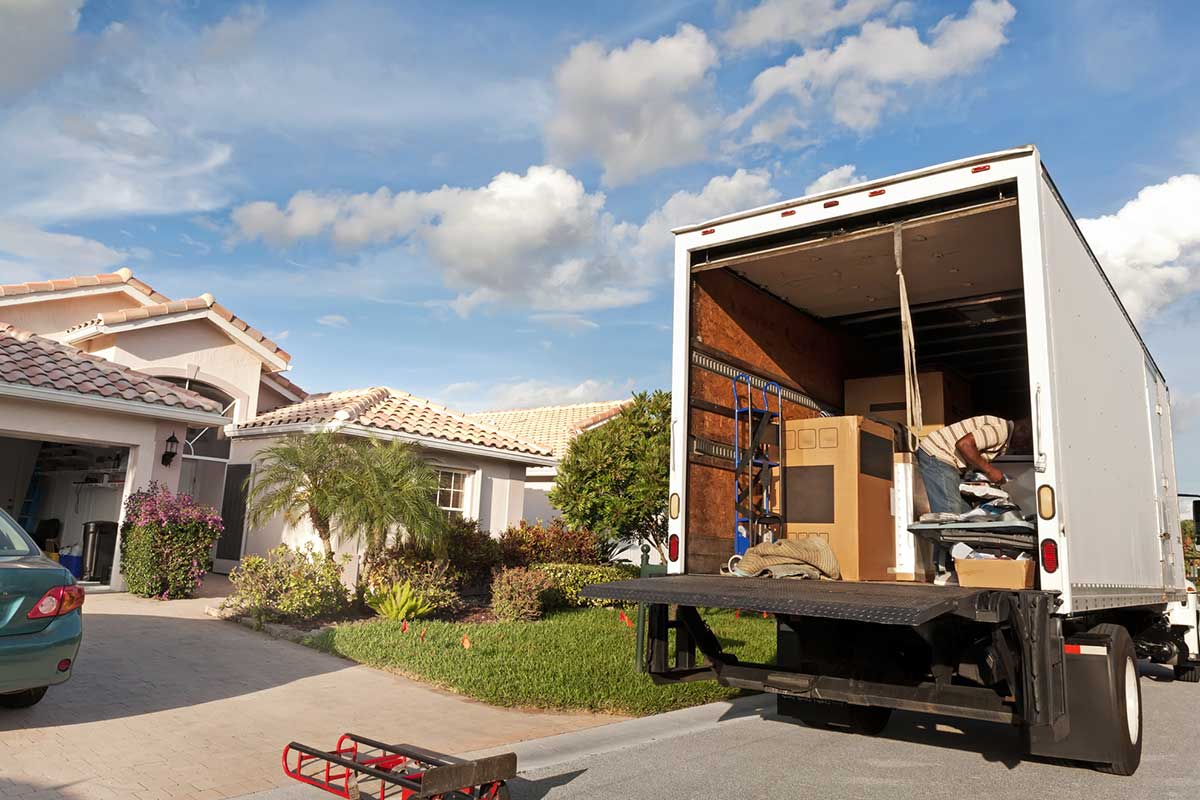
Trade fixtures and personal property can drive major value in business takings. Learn how Florida distinguishes fixtures from personal property, and how moving/reinstall costs can be recovered.

When the government takes property through eminent domain, most people focus on one thing — “How much are they paying me for the part they’re taking?” But that’s only half the story.

When the government takes part of your commercial property for a road project, utility installation, or other public improvement, Florida law may allow you to recover business damages. These damages are meant to compensate a business for financial harm caused by the taking.

The hard part is that most owners make mistakes early—when they are trying to be reasonable and cooperative—without realizing those early decisions can permanently reduce compensation or expand what the government is allowed to do on the property. Here are some of the top mistakes owners make during a government taking, and ways you can avoid making them.

If a government project is pushing you out of your home, you may have rights under traditional eminent domain compensation (for what is taken and damages caused) or relocation benefits (moving expense reimbursement and replacement housing assistance).

Parking loss can dramatically increase damages in a hotel taking. For hotels, parking is not a “nice-to-have.” It is the operational backbone of occupancy, guest satisfaction, brand standards, ADA compliance, and revenue. When a project takes land or an easement that reduces your parking count or forces a reconfiguration, the resulting loss in value can be far greater than the land area taken. If your hotel is being targeted by the government, start here.

This guide explains how business damages are proven in Florida eminent domain cases, what evidence is required, and why early legal involvement is critical to protecting the full value of your business.

When the government takes only a portion of your property, the damage to your business can far exceed the value of the land taken. Loss of access, reduced parking, diminished visibility, or construction-related disruption can materially impair how a business operates and earns income.

Access and driveway changes can be the biggest damage item in a hotel taking. Hotels live and die on ease and clarity of access—especially in tourist corridors, near airports, and along high-volume arterials. When a project eliminates or relocates a driveway, adds medians, converts roads to limited-access, or forces confusing turns, the financial harm can be significant. If your hotel is in a project corridor, learn what “substantial” loss means and how to prove it.

Forced to move or impacted by a partial taking due to eminent domain? Learn the difference between relocation benefits and Florida business damages—and how to maximize recovery without waiving claims.
.jpeg)
When the government takes part of your property, most people assume the only possible outcome is a dollar figure. In reality, some of the most valuable resolutions are “creative settlements” that solve the real-world problem the taking causes—access, usability, drainage, parking, site layout, or business disruption—while still maximizing the money paid.

When the government takes only a portion of your property, the real damage often extends far beyond the land shown on the plans. Parking disappears. Access becomes restricted. Drainage systems fail. Code compliance is lost.

When the government seeks to take private property for a public project, property owners are often left with more questions than answers. One of the most important distinctions in any eminent domain case is whether the government is pursuing a full taking or a partial taking. That distinction directly affects what compensation is available, how damages are calculated, and how the case must be proven.

Even on some projects that are not federally funded, Florida agencies—especially on transportation projects—often administer relocation benefits using the same federal framework, forms, and categories. Practically, that means the federal rules frequently set the playing field for what moving and relocation benefits are available, how eligibility is determined, and what proof you must provide.


.svg)