
What Florida property owners must know before responding to a condemnation offer — and why the clock works in your favor, not theirs.

When eminent domain affects a billboard, sign, or sign site, the case is rarely just about land value. The taking may destroy a valuable advertising asset, impair leasehold rights, force removal, interrupt revenue, and raise significant relocation issues. Nation Eminent Domain helps billboard and sign owners across Florida pursue full compensation.

When the government takes property for a road widening, utility project, intersection improvement, drainage project, rail corridor, or other public use, the damage to a business often goes far beyond the land actually acquired. A taking can reduce access, eliminate parking, disrupt visibility, impair traffic flow, interrupt operations, and force expensive changes to the business itself.
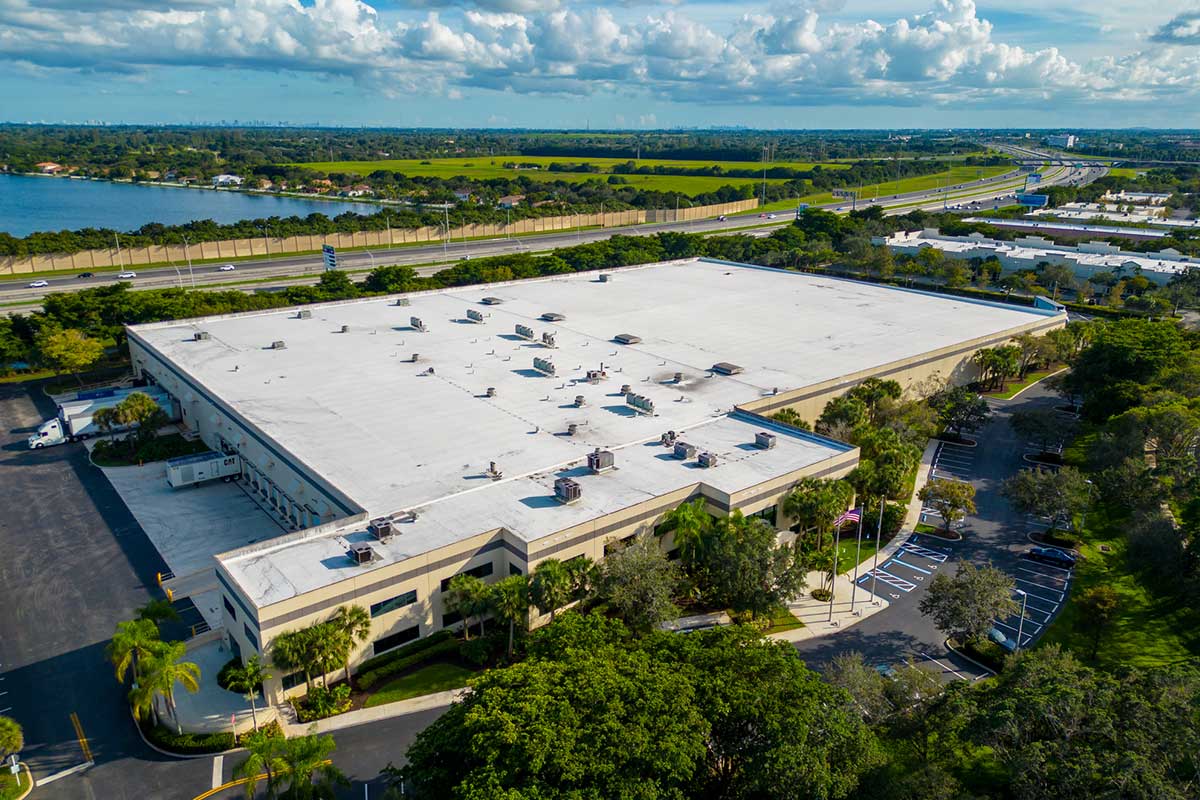
When the government comes for an office building, the stakes are high. You’re not just losing land—you’re losing income, tenants, long-term investment value, and the stability of your business plan.

Read our clear, practical roadmap to help homeowners understand how to maximize their recovery in a Florida eminent domain case, drawn from the principles outlined in the Florida Eminent Domain Practice and Procedure materials and decades of litigating these cases.

When a government agency or utility takes a permanent easement on your property, you do not “get your land back later.” The easement stays in place and can permanently limit how you use, improve, access, and develop your property. That permanent loss of rights should be reflected in the compensation you receive.

When a taking involves a hotel, the government’s first offer often focuses on the land it wants—while ignoring the real financial harm to an income-producing property that depends on access, visibility, parking, and day-to-day operations.

When the government targets a farm, grove, nursery, ranch, timberland, or other agricultural acreage for a road project, utility corridor, pipeline, drainage work, or a permanent or temporary easement, the initial offer is rarely the full measure of what you are entitled to receive.

Most Florida property owners believe eminent domain only occurs when the government files a lawsuit and makes an offer for land. In practice, many takings occur without any condemnation case ever being filed.
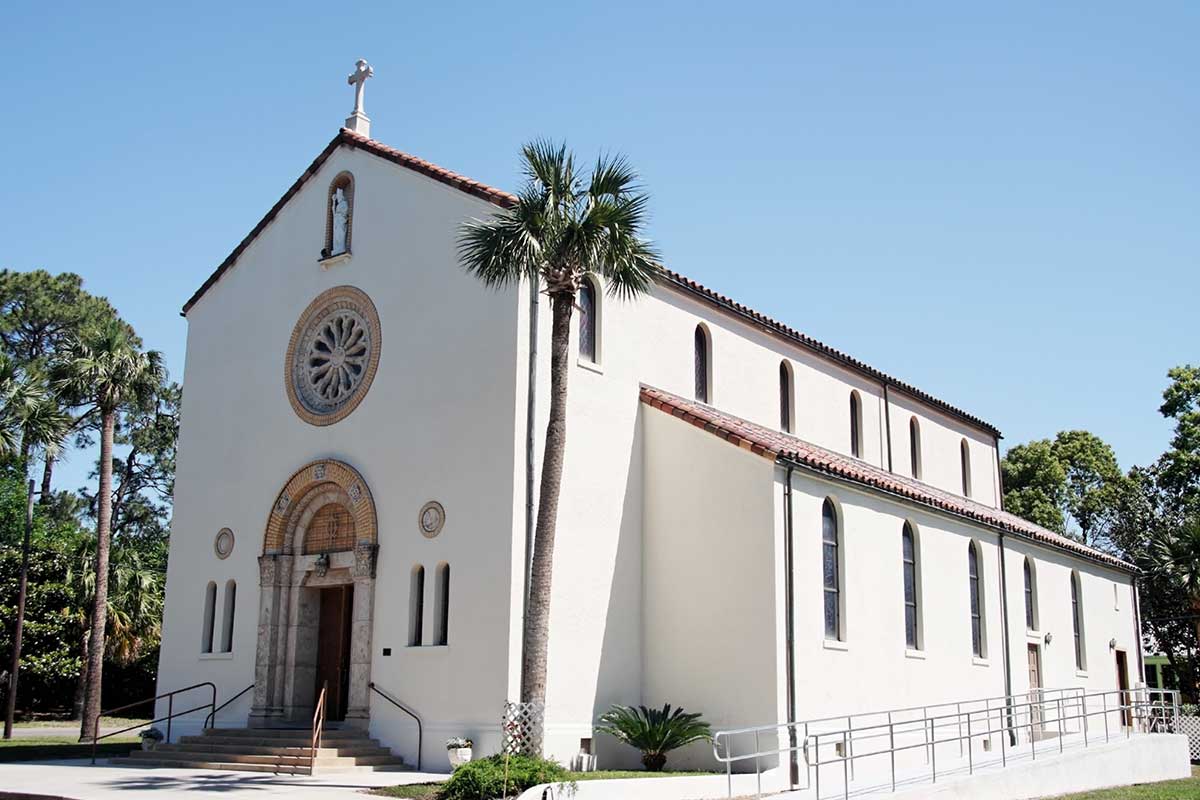
When the government targets church property for a road widening, utility corridor, transit project, or other public improvement, the impact goes far beyond bricks and mortar.
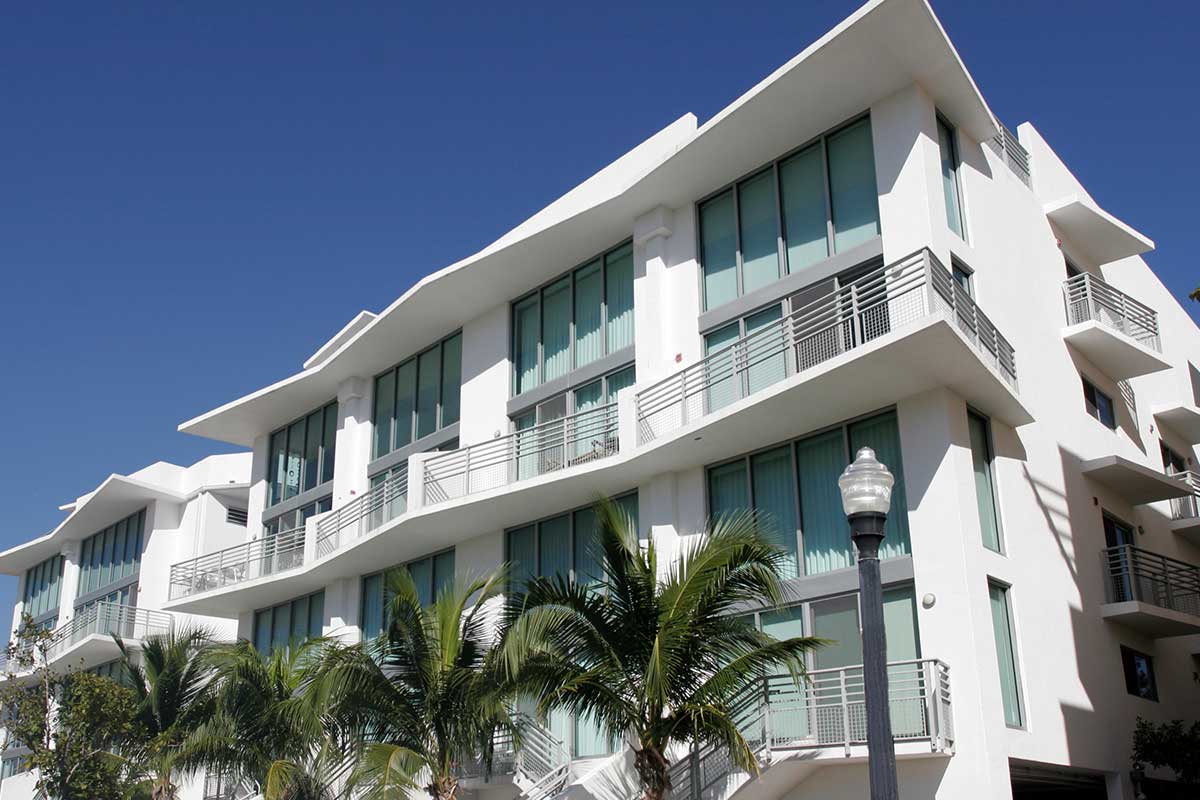
Apartment complexes are not just real estate—they are income-producing assets with carefully balanced economics. When a government agency takes part or all of an apartment property through eminent domain, the impact reaches far beyond the square footage acquired. Rent streams, occupancy, parking ratios, access, future redevelopment potential, and long-term value are often compromised.
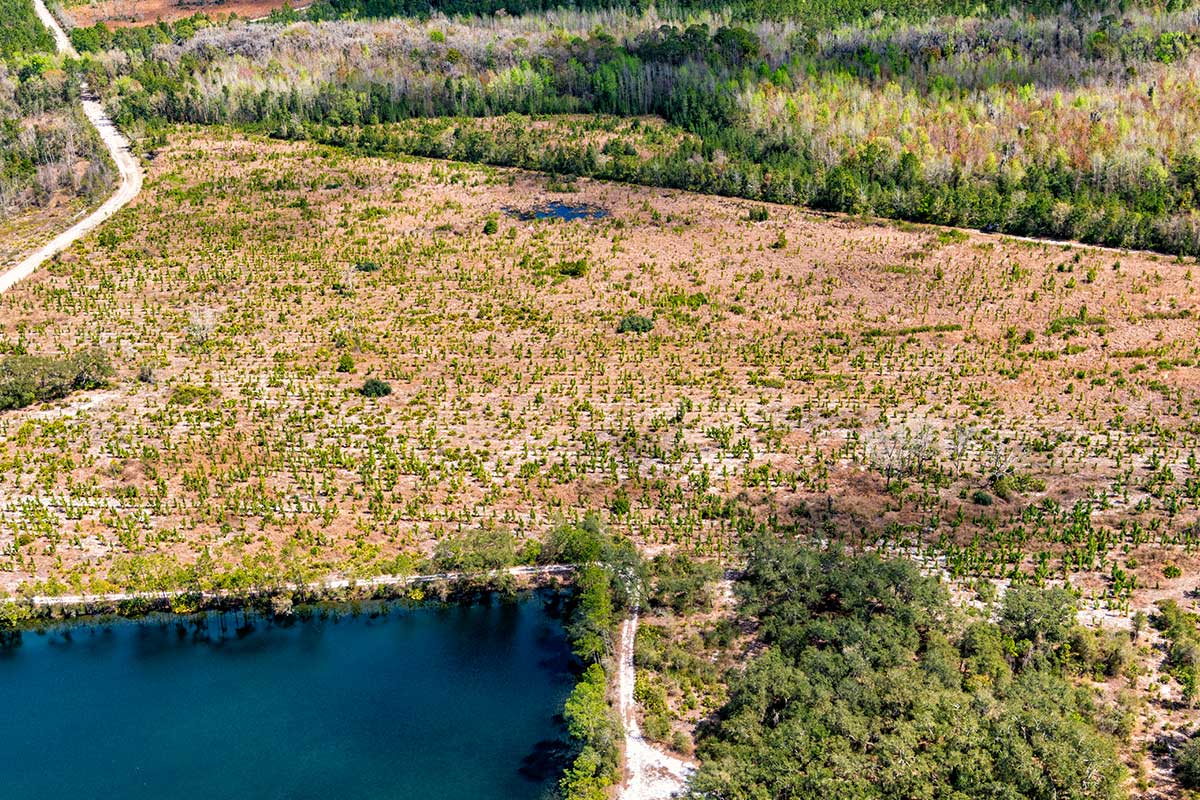
If you own raw, vacant, or undeveloped land and you’ve been told the government “needs a piece of it,” your case is rarely “simple.” With raw land, the real value is often the future—development potential, zoning trajectory, access, utilities, density, and the ability to assemble or subdivide.
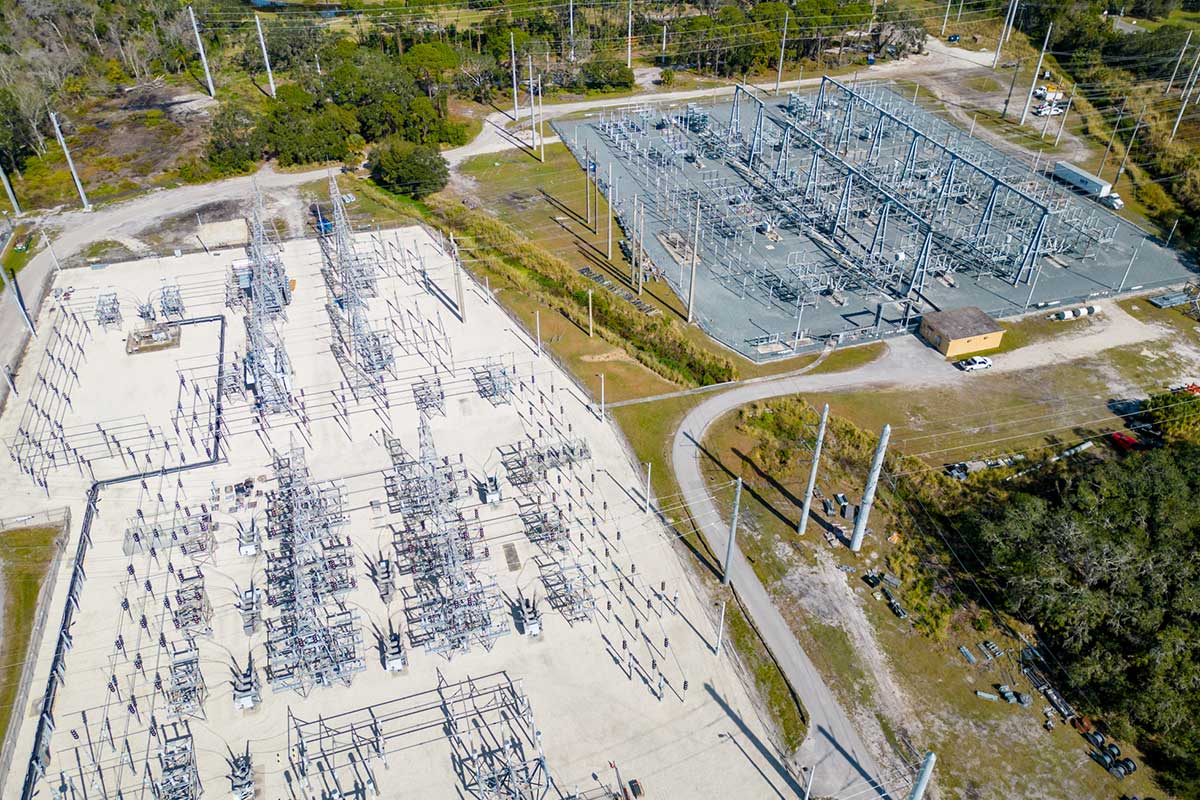
If a government agency or utility company is taking an easement across your property for gas lines, electric lines, or transmission corridors, it is not a minor inconvenience. It is a permanent legal burden on your land, and if you don’t handle it correctly from day one, you will leave serious money on the table.

Convenience stores live and die on fast, safe access, clean circulation, visibility, and predictable traffic capture. When a project disrupts those elements, your compensation case must be built around what actually drives value and revenue—not just the square footage acquired.

Strip malls are uniquely vulnerable in eminent domain cases. Unlike single-tenant properties, a strip center functions as an interconnected economic system—parking, access, signage, tenant mix, and visibility all work together.


.svg)